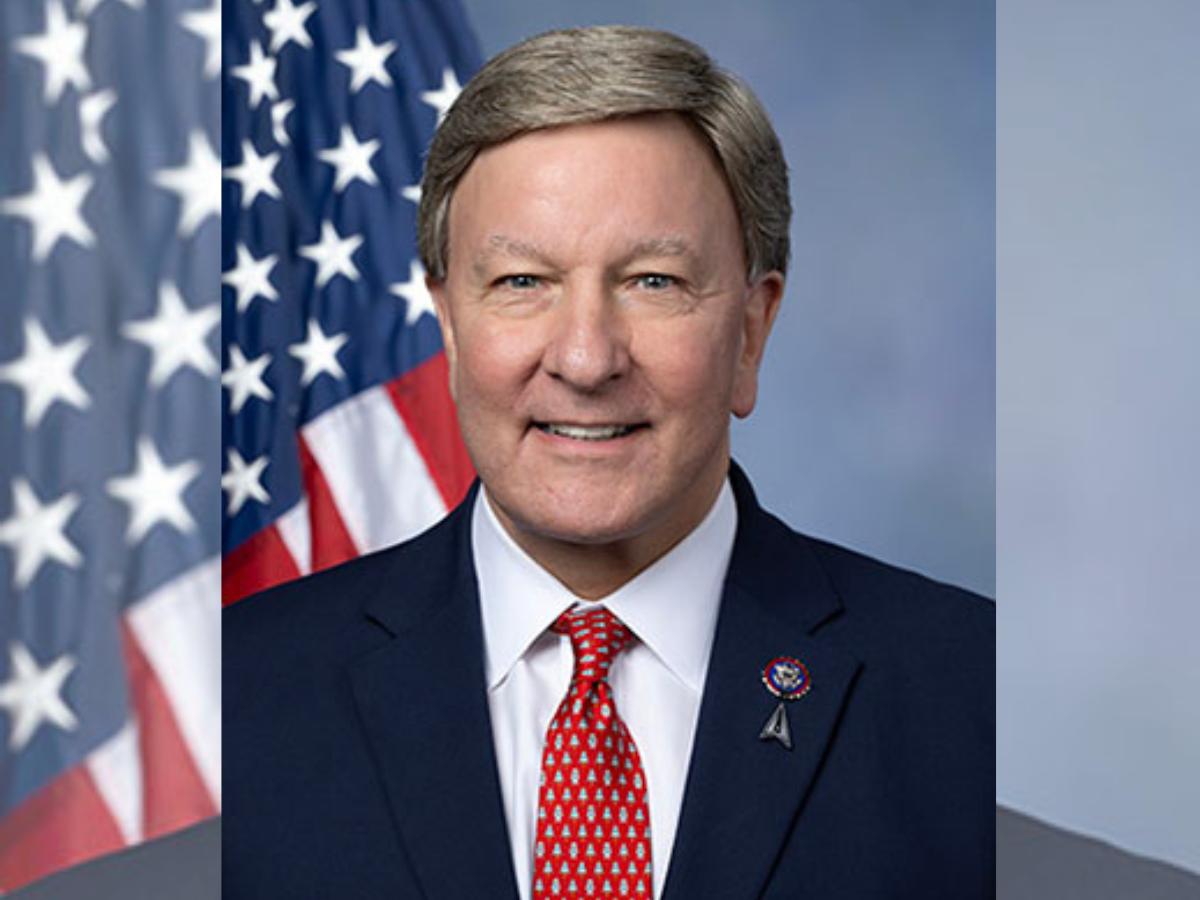
In the final hours before voters head to the polls to decide a pivotal U.S. Senate seat in Michigan, public records have brought heightened scrutiny to the inner workings of campaign communications and political alliances. Department of Justice filings show that two individuals working on Republican candidate Mike Rogers’ Senate campaign are registered under the Foreign Agents Registration Act (FARA) for activities associated with an Israeli government-backed public relations campaign. The revelations have intensified debate over political spending, foreign influence rules, and campaign ethics just as voters prepare to choose between Rogers and Democratic nominee Abdul El-Sayed.
According to disclosure documents, Abigail Ronson and Jesse Stokes both work for Convergence Media, a Republican consulting firm hired by the Rogers campaign. Public filings indicate that their FARA registrations stem from a separate communications enterprise originating with the Israeli government. Under a contract structured through international advertising networks, a firm owned by political strategist Brad Parscale was retained to run a multi-million-dollar nationwide campaign focused on digital content, websites, and social media outreach. While the registrations outline the scope of that separate project, public filings show no evidence that the Israeli government directed the pair's work for the Rogers campaign, nor that funds from the foreign contract were transferred to finance the Senate bid.
Campaign Roles and Disclosures
Stokes was listed as a subcontractor on the FARA disclosures starting in October 2025, and metadata on campaign press releases indicates his involvement in drafting early announcement materials. Ronson, a former congressional aide who registered under FARA in May 2026, has handled press inquiries from campaign accounts and assisted in organizing outreach events. When public questions arose regarding campaign staff designations following a social media post, campaign representatives noted that certain media contributors were not formal staff employees, though election records confirm substantial consulting payments to Convergence Media.
Questions regarding the overlap between domestic political strategy and foreign-agent registration have sparked sharp reactions online. "Why are people registered as agents of any foreign government allowed to work on campaigns for anyone running for any level of office in our country?" one commenter asked.
Surprises on the Campaign Trail
The revelation comes alongside dramatic shifts on the ground in Michigan. Representative Haley Stevens, who narrowly lost the Democratic primary to El-Sayed in August by less than a percentage point, turned heads when she appeared alongside Rogers at a local church service to deliver a surprise endorsement. The move followed a dispute over campaign advertisements run by outside groups. Stevens cited the disagreement as her reason for crossing party lines, prompting immediate criticism from Democratic leaders and praise from Rogers' supporters, who cited the cross-party endorsement as a demonstration of coalition-building.
Observers have also pointed to the sheer volume of financial backing flowing into the contest. Outside political action committees have directed tens of millions of dollars toward primary and general election advertising in the state. Commenting on the dizzying array of endorsements and campaign cash, one observer remarked, "It is unreal how much... they are unequivocably the primary beneficiary and are complicit in nearly all of it."
High Stakes for Senate Control
With Republicans holding a narrow majority in the Senate, the Michigan race represents a critical battlefield. El-Sayed, who would become the first Muslim elected to the U.S. Senate if victorious, has maintained a modest lead in recent statewide polling over Rogers, a former FBI agent and former member of Congress. With polling places opening across the state, the convergence of foreign-agent disclosures, high-profile party defections, and unprecedented outside spending leaves Michigan voters evaluating a complex landscape as they cast their ballots.

